
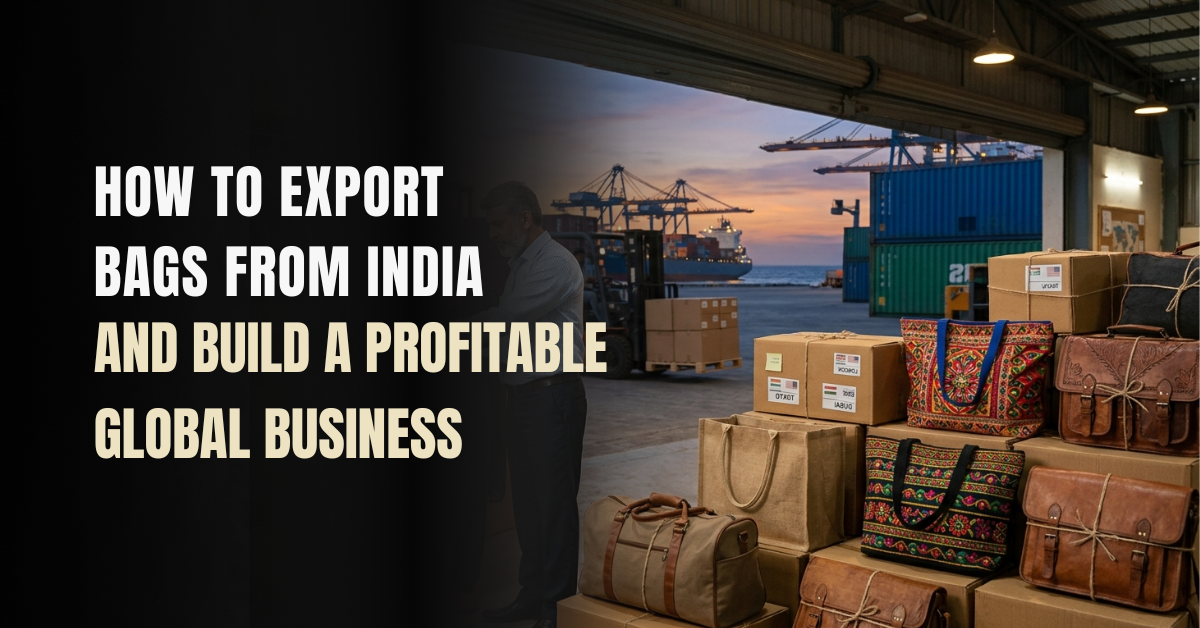
How to Export Bags from India and Build a Profitable Global Business
India is a leading country in the quickly expanding global market for stylish, eco-responsible and durable bags. This market consists of many different bag types including luxury backpacks made of leather and eco-friendly jute tote bags. International buyers are continually looking to find reliable sources to purchase their goods from around the world. By learning how to export bags from India you can gain access to one of the fastest growing, most profitable industries in existence today.
With the right strategy, legal setup, and manufacturing partners, you can build a lucrative international brand. So let’s break down the steps to successfully launch your bag export business.
Why Source from a Bag Manufacturer in India?
It is important to know what makes Indian goods so popular in the global marketplace before getting into the logistics. The combination of traditional artistry and modern technology in producing Indian goods enables companies to produce unique styles at very competitive pricing.
When you partner with a top-tier bag manufacturer in India, you have access to an immense selection of materials. Nowadays, sustainability is a primary concern for today’s consumers. Thus, manufacturers throughout India are recognised as leaders in the creation of sustainable bags using various types of organic cotton, canvas, jute, and alternatively-produced leather.
A flexible bag supplier allows you to create custom products that fit closely with the global trend of changing fashion styles. Companies like Okda Lifestyle grow by using flexible production capabilities and being able to bring in the products that meet the needs of different international markets.
Step-by-Step Guide on How to Export Bags from India
Exporting needs a clear plan; missing one legal paper can delay your shipment at customs. Here’s what you need to get started and keep things moving smoothly.
Set Up Your Business
First you need to register your company. Most exporters start as a Sole Proprietorship or a Private Limited company. Once your business is registered you should open a bank account, for your trade operations.
Get Your Import Export Code
You cannot ship goods commercially outside India without an Import Export Code. This is a 10-digit code given by the Directorate General of Foreign Trade. The application process is online, simple. Requires basic business registration documents.
Choose Your Bag Niche
The bag market is really big. Trying to sell everything can make your brand less special. You need to decide what type of bags you want to focus on:
- Fashion handbags and luxury leather goods.
- Eco-friendly. Jute shopping bags.
- Travel gear, sports bags and utility backpacks.
- Industrial packaging bags, which requires finding a Courier Bag Manufacturer for secure e-commerce shipping solutions.
Find the Right Manufacturing Partner
Your business is only as good as your product quality, so you need a reliable bag manufacturer. They should manage bulk orders without skipping on stitching, zippers, or material strength. Also, look for suppliers with international quality certifications; this builds trust with foreign buyers right away.
Finding Overseas Buyers and Marketing Your Brand
After your supply chain is set, you need to reach international clients. Finding buyers takes time; digital tools help a lot though, making it way easier than before.
Create a Strong Digital Presence
Foreign purchasers will want assurance that your business is legitimate. Therefore, create an attractive, professional website with a quality product catalog including high-quality images. Your websites should be optimized for search to allow natural online visibility of the company to customers searching for Indian bag exports.
Leverage B2B Marketplaces
B2B platforms such as Alibaba, India MART, and Global Sources provide great opportunities for B2B lead generation. Complete thorough profiles on these sites and make sure to respond to inquiries fast. Having strong communication is just as important as having a quality product when developing lasting international relationships.
Attend International Trade Fairs
Physical trade fairs continue to be very effective. Attending textile, fashion, and consumer goods trade fairs in Europe, the US, or Dubai means interacting directly with buyers. You can give them the opportunity to touch the sample products you offer, making deal-making much easier.
Navigating Logistics, Shipping, and Payments
There is a lot that new exporters can be overwhelmed with. However, you can break the shipping process down into smaller manageable pieces; it is much simpler to work with a trusted customs house agent (CHA) and a freight forwarder, who will help you with the complex paperwork and container bookings and clear customs at the ports of entry.
You also should always confirm that your payment terms are secure for the new international customer. For new international buyers, it may be wise to always use a Letter of Credit (LC) or pre-payment system to protect your capital and to ensure your manufacturer is paid promptly upon delivery of goods.
Conclusion
If you’re looking to build a scaleable global business, learning how to export bags from India is a successful path. You must have your legal licenses, determine what product types are profitable in the marketplace, and locate a manufacturer with a quality focus on your products to fulfil international market demand.
When exporting bags you must have patience, maintain strict quality control, and provide excellent customer service. If you begin with a small order and refine your shipping process, your brand will develop into a successful global business.



No comment